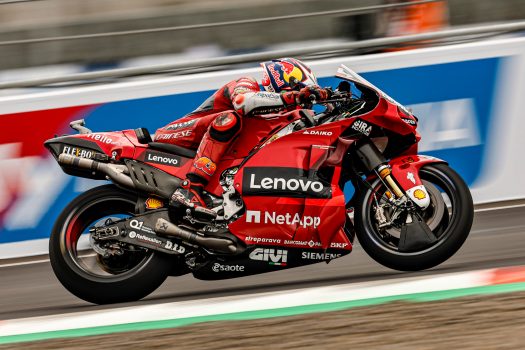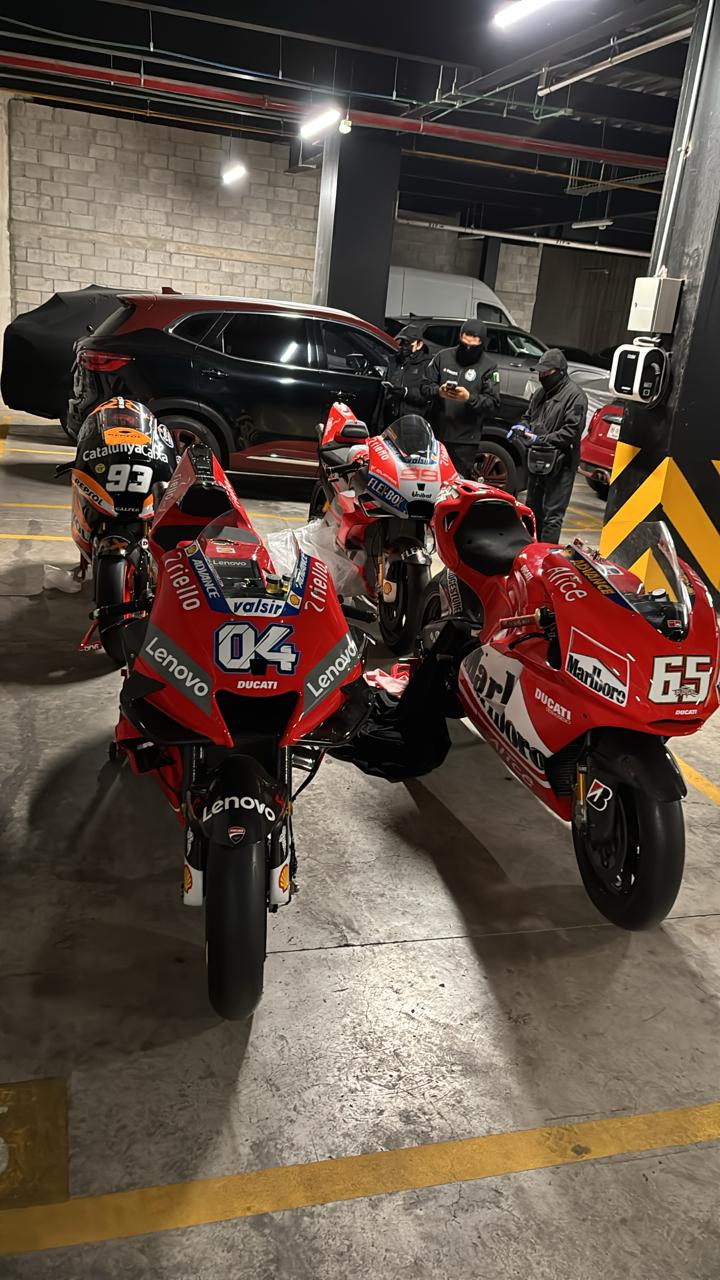

The motorcycle racing community was burst wide open last week with the release of images taken in a Mexico City garage. Inside that dark, dusty warehouse, drug enforcement agents from the US, Mexico and Canada had parked dozens of motorcycles reportedly belonging to wanted drug lord and former Canadian Olympic snowboarder Ryan Wedding. These were no ordinary streetbikes, but several championship-winning MotoGP racebikes. The assembled machines resembled the first floor of one of the world’s more respected motorsports museums with dazzling, high-tech motorcycles previously ridden by luminaries including Valentino Rossi, Jorge Lorenzo and Marc Marquez, all shoved together as if some petulant child grew tired of playing with these 300-horsepower toys. So far, authorities have been relatively tight-lipped about how a single man could have possibly amassed a motorcycle collection worth an estimated $40 million and just how these very noticeable machines may have avoided detection over the years.
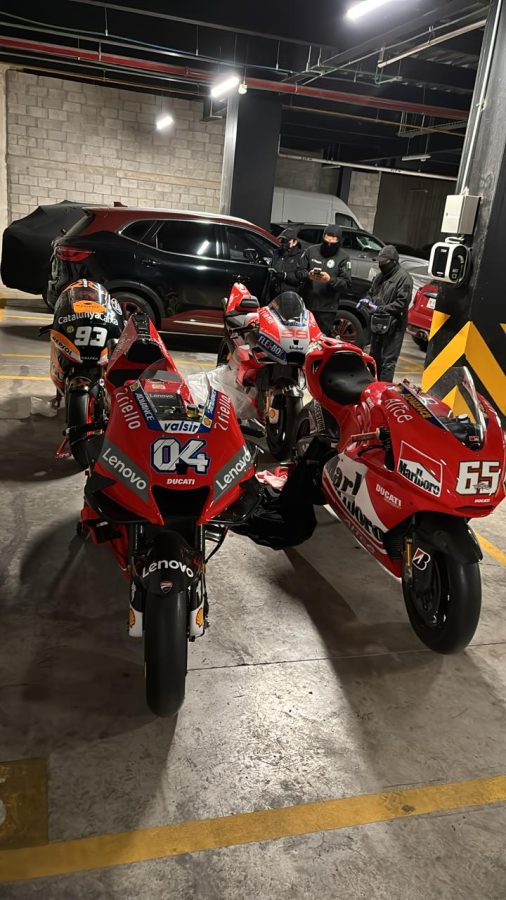
The images reveal more than just Grand Prix-winning two-wheelers, but genuine historic mounts including some ridden by AMA and World Superbike champ Scott Russell, a few rare, vintage bevel-drive Ducati twins from the 1970s and strangely enough, vintage two-stroke racers that bear the distinctive livery of teams that the aforementioned Rossi campaigned in his youth during the 1990s. The amassing of so many high-end pieces of motorsports memorabilia presents so many tough questions: for instance, with the re-sale of Moto GP motorcycles closely regulated by the manufacturers and racing’s governing body, Dorna, how did a globally- known criminal manage to approach the likes of Rossi and Marquez to offer cash for their team’s heirlooms? Were they aware of whom their bikes were being sold to, or were shell corporations and secret buyers involved in what was clearly an attempt to launder some of the suspected billions that Wedding’s cartel has amassed though illegal narcotics sales?